Best Bug Out Bags 2026: Expert Reviews & Complete Checklist
A bug out bag (BOB) is a pre-packed, grab-and-go survival kit designed to sustain you for 72 hours when you need to evacuate quickly. Learn how to build and stock the perfect evacuation bag.
Not sure which type of kit you need? Start with our emergency kit overview.
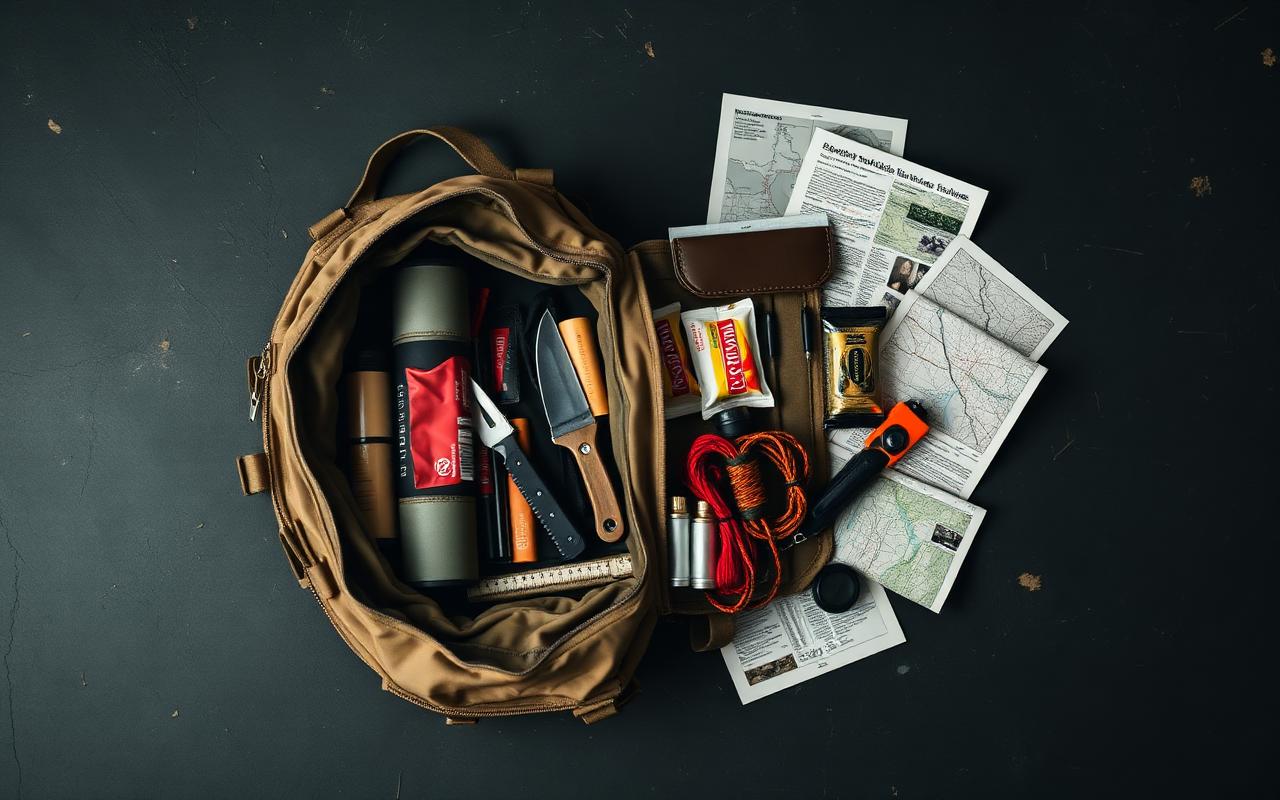
Top 8 Bug Out Bags Reviewed
We've tested dozens of tactical and hiking backpacks to find the best bug out bags for emergency evacuation. Our top picks balance durability, capacity, and comfort for 72-hour survival situations.
Bug Out Bag Comparison
| Bag | Best For | Capacity | Price | Rating |
|---|---|---|---|---|
| 5.11 Rush 72 2.0 | Best overall value | 55L | $189.99 | ⭐⭐⭐⭐⭐ 4.7/5(2,156) |
| Mystery Ranch 3-Day Assault | Premium durability | 30L | $279.99 | ⭐⭐⭐⭐⭐ 4.9/5(843) |
| Condor 3-Day Assault Pack | Budget-friendly | 50L | $89.99 | ⭐⭐⭐⭐ 4.5/5(1,567) |
| Osprey Farpoint 55 | Comfort & travel | 55L | $199.99 | ⭐⭐⭐⭐⭐ 4.8/5(3,421) |
| Kelty Redwing 50 | Hiking crossover | 50L | $159.99 | ⭐⭐⭐⭐ 4.6/5(1,876) |
| Teton Scout 3400 | Entry-level value | 55L | $79.99 | ⭐⭐⭐⭐ 4.4/5(2,893) |
| Maxpedition Falcon-II | Tactical features | 23L | $149.99 | ⭐⭐⭐⭐⭐ 4.7/5(987) |
| Goruck GR2 | Lifetime durability | 40L | $395.00 | ⭐⭐⭐⭐⭐ 4.9/5(654) |
Best Bug Out Bags: Detailed Reviews
In-depth analysis of every bag in our top 8, including features, pros and cons, and exactly who should buy each one.
5.11 Rush 72 2.0
$189.99 CAD
The 5.11 Rush 72 2.0 is the gold standard for bug out bags, offering an ideal balance of capacity (55L), durability (1050D nylon), and organization. It's been battle-tested by military personnel and preppers worldwide for over a decade.
Key Features:
- 55L capacity – perfect for 72-hour loadout
- 1050D nylon construction (bomb-proof)
- Padded shoulder straps & ventilated back panel
- Hydration compatible (3L bladder pocket)
- Multiple MOLLE attachment points
- YKK self-repairing zippers throughout
- Admin pocket with organization panel
- Removable waist belt for heavy loads
Pros:
- + Legendary durability – bags last 10+ years
- + Perfect size for most people (not too big)
- + Excellent organization with 20+ pockets
- + Comfortable even when fully loaded (40+ lbs)
- + Discreet gray/black options blend well
Cons:
- − Heavy even when empty (4.5 lbs)
- − MOLLE webbing visible (less "gray man")
- − Price premium compared to budget options
- − Top-loading design (no panel access)
Who should buy this:
Anyone serious about emergency preparedness who wants a "buy once, cry once" solution. Ideal for people who live in disaster-prone areas and need a reliable evacuation bag. Worth the investment if you weigh 150+ lbs and can handle the packed weight.
Mystery Ranch 3-Day Assault
$279.99 CAD
Built by the same company that supplies Special Operations forces, the Mystery Ranch 3-Day Assault uses a tri-zip opening for unmatched access and a yoke harness system that distributes weight better than any bag in this list.
Key Features:
- 30L capacity – ultra-organized loadout
- 500D Cordura with reinforced bottom
- Patented 3-ZIP design for full access
- Futura yoke harness adjusts to any torso
- Compression molded foam back panel
- PALS webbing for modular attachments
- Lifetime warranty against defects
- Made in the USA construction
Pros:
- + Best-in-class harness comfort
- + Tri-zip opens like a clamshell suitcase
- + Bombproof build quality
- + Backed by lifetime guarantee
- + Slimmer profile than most tactical packs
Cons:
- − Smaller 30L capacity feels tight for full BOB
- − Heavier than competitors at 5 lbs empty
- − Premium price point
- − Long lead times when ordering direct
Who should buy this:
Serious preppers, military, and law enforcement who demand the absolute best harness system and don't mind paying for it. Best for shorter loadouts where organization matters more than raw capacity.
Condor 3-Day Assault Pack
$89.99 CAD
The Condor 3-Day Assault Pack proves you don't need to spend $200+ for a capable bug out bag. At under $100, it delivers 50L of capacity, MOLLE webbing, and tactical features that punch well above its price tag.
Key Features:
- 50L capacity – matches premium bags
- 1000D nylon with PVC backing
- MOLLE webbing on every panel
- Hydration compatible main compartment
- Padded laptop/document sleeve
- Adjustable sternum and waist straps
- Three external compression straps
- Available in 6 colors including subdued
Pros:
- + Unbeatable value under $100
- + Full-size capacity at budget price
- + Surprisingly durable for the cost
- + Lots of MOLLE for customization
- + Light empty weight (3.3 lbs)
Cons:
- − Stitching quality less refined than premium
- − Zippers are not YKK (replaceable issue)
- − Hip belt is thin and unpadded
- − Foam back panel compresses over time
Who should buy this:
First-time bug out bag buyers, people on tight budgets, or anyone building a secondary kit for a vehicle or workplace. Excellent way to test if you'll actually use a BOB before investing in premium gear.
Osprey Farpoint 55
$199.99 CAD
Designed as a travel pack, the Osprey Farpoint 55 doubles as one of the most comfortable bug out bags available. Its hiking-grade harness and detachable daypack make it incredibly versatile for evacuation scenarios.
Key Features:
- 55L total (40L main + 15L detachable daypack)
- 210D nylon ripstop main fabric
- LightWire frame with mesh back panel
- Detachable daypack for short excursions
- Stowaway harness for transport mode
- Lockable main compartment zippers
- Compression straps and grab handles
- All Mighty Guarantee – lifetime repair
Pros:
- + Most comfortable harness in this guide
- + Detachable daypack adds versatility
- + Doesn't look tactical (great gray man)
- + Excellent ventilation reduces back sweat
- + Lifetime warranty from Osprey
Cons:
- − Lighter fabric than tactical packs
- − Limited MOLLE for attachments
- − Bright color options stand out
- − Daypack attachment can sag when heavy
Who should buy this:
Urban preppers, frequent travelers, and anyone who values comfort and discretion over tactical features. Perfect for people who want a bag that works equally well for evacuation and everyday travel.
Kelty Redwing 50
$159.99 CAD
The Kelty Redwing 50 is a hybrid panel-loading hiking pack that has become a cult favorite in the prepper community. It combines hiking comfort with bug out bag practicality at a reasonable price.
Key Features:
- 50L capacity with U-zip panel access
- 420D polyester construction
- AirMesh back panel and shoulder straps
- Hydration sleeve and bottle pockets
- Compression straps on all sides
- Lash points for external gear
- Top lid with two zippered pockets
- Available in multiple subdued colors
Pros:
- + Panel access beats top-loading designs
- + Hiking comfort at tactical price point
- + Versatile for hiking, travel, and BOB use
- + Great organization without bulk
- + Lighter than most tactical packs (3.4 lbs)
Cons:
- − Lighter fabric than 1000D tactical bags
- − Hip belt is functional but thin
- − Limited MOLLE/PALS webbing
- − Some color options too bright for gray man
Who should buy this:
Hikers transitioning into preparedness, or preppers who want their BOB to do double duty for weekend trips. Ideal for those who prioritize comfort and organization over military aesthetics.
Teton Scout 3400
$79.99 CAD
The Teton Scout 3400 is the most popular entry-level internal frame backpack on Amazon, and for good reason. At under $80 it delivers 55L of hiking-grade capacity with a real internal frame and hip belt.
Key Features:
- 55L capacity with internal aluminum frame
- 600D polyester ripstop fabric
- Padded hip belt with side pockets
- Adjustable torso length (15.5" to 19.5")
- Sleeping bag compartment with divider
- Integrated rainfly cover included
- Multiple compression straps
- Hydration reservoir compatible
Pros:
- + Cheapest internal-frame BOB available
- + Real adjustable suspension for the price
- + Includes rainfly (usually $20+ extra)
- + Comfortable for moderate loads (30 lbs)
- + Massive online review base
Cons:
- − Lighter materials than premium packs
- − Frame can flex under heavier loads
- − Stitching quality varies by batch
- − Hip belt padding compresses over time
Who should buy this:
Beginners building their first bug out bag, students, or families outfitting multiple kits on a budget. A great learning bag before deciding what features matter most to you.
Maxpedition Falcon-II
$149.99 CAD
The Maxpedition Falcon-II is a compact tactical workhorse beloved by EDC enthusiasts and minimalist preppers. Its 23L capacity forces ruthless packing but rewards you with bombproof construction.
Key Features:
- 23L compact tactical capacity
- 1050D ballistic nylon construction
- Triple-stitched stress points
- PALS webbing on three external panels
- Internal hydration compartment
- Hook-and-loop ID panel
- YKK self-healing zippers
- Teflon fabric protector finish
Pros:
- + Indestructible build quality
- + Compact size great for urban use
- + Excellent organization for size
- + Maxpedition lifetime warranty
- + Doubles as overnight or get-home bag
Cons:
- − Too small for full 72-hour loadout
- − Heavy for capacity (3 lbs empty)
- − Obviously tactical appearance
- − Limited torso adjustment
Who should buy this:
Urban preppers, EDC enthusiasts, or anyone needing a get-home bag rather than a full BOB. Perfect as a vehicle bag or for users under 5'8" who find larger packs awkward.
Goruck GR2
$395.00 CAD
The Goruck GR2 is overbuilt to military standards and backed by the legendary SCARS lifetime warranty. At 40L it sits in the sweet spot for serious preppers who want one bag that will outlast them.
Key Features:
- 40L capacity with clamshell opening
- 1000D Cordura with reinforced bottom
- MOLLE webbing inside and outside
- Padded laptop compartment (17")
- False bottom for organized storage
- Built-in handles on all sides
- Made in the USA by veterans
- SCARS Lifetime Guarantee
Pros:
- + Likely the last bag you'll ever buy
- + Clamshell opens completely flat
- + Subdued styling (looks like a laptop bag)
- + Lifetime warranty covers everything
- + Holds shape even when empty
Cons:
- − Most expensive bag in this guide
- − Heavy at 5.5 lbs empty
- − No external water bottle pockets
- − Stiff break-in period (50+ hours)
Who should buy this:
Preppers who view their BOB as a lifetime investment and value durability above all else. Ideal for users who appreciate American-made gear and want a single bag that handles BOB, travel, and EDC duties.
What Is a Bug Out Bag?
A bug out bag is a portable kit containing essential supplies to survive for at least 72 hours away from home. Unlike stationary home emergency kits, BOBs prioritize weight and mobility—everything you need to survive, nothing you don't.
The concept originated from military and emergency response communities, where personnel need to relocate quickly with self-sufficient supplies. Today, bug out bags are a cornerstone of civilian emergency preparedness. Every BOB should include a compact first aid kit and pair well with a vehicle emergency kit.
A well-built bug out bag should weigh no more than 20-25% of your body weight and be packed so you can grab it and go within 60 seconds of an evacuation order.
Weight Guidelines
Target 20% of body weight for mobility; 25% maximum for extended travel.
Bug Out Bag Packing List
The essential survival gear every bug out bag should contain. Adjust based on your specific needs and local risks.
Water & Hydration
~4-6 lbs- Water bottles (2L minimum)
- Portable water filter
- Purification tablets
- Collapsible container
Food & Nutrition
~2-3 lbs- 72-hour food supply
- High-calorie bars
- Freeze-dried meals
- Utensil kit
Shelter & Warmth
~2-4 lbs- Emergency bivy or tent
- Mylar blankets
- Poncho/rain gear
- Paracord (50+ ft)
First Aid & Medical
~1-2 lbs- Trauma kit
- Medications (7-day supply)
- Blister care
- Antiseptic supplies
Tools & Navigation
~2-3 lbs- Quality multi-tool
- Fixed blade knife
- Compass + maps
- Fire starters
Communication & Light
~1-2 lbs- LED headlamp
- Backup batteries
- Emergency radio
- Signal mirror/whistle
Total Target Weight: 15-25 lbs for a balanced 72-hour bug out bag. Prioritize multi-use items to save weight without sacrificing capability.
Complete Bug Out Bag Checklist
0/24 items checked
When You'll Need Your Bug Out Bag
Understanding these scenarios helps you customize your evacuation kit.
Natural Disaster Evacuation
Wildfires, hurricanes, floods—situations where you have minutes to hours to leave.
- •Grab-and-go ready
- •Important documents
- •Cash in small bills
- •Full change of clothes
Extended Displacement
When you can't return home for days or weeks. Think major disasters or infrastructure failure.
- •Extended food supply
- •Water purification
- •Shelter options
- •Extra medications
Vehicle Breakdown in Remote Areas
Your car fails miles from help. A bug out bag doubles as a get-home bag.
- •Navigation tools
- •Signaling devices
- •Extra water
- •Emergency blanket
Bug Out Bag Tips & Best Practices
How to Choose the Best Bug Out Bag
Choosing the right bug out bag comes down to four factors: capacity, style (tactical vs hiking), feature set, and how the loaded weight matches your body. Get these right and you'll have a bag that serves you reliably for a decade or more.
Size & Capacity Guide
Most people need 40-55 liters for a 72-hour bug out bag. Going smaller forces compromise on shelter and clothing; going larger encourages overpacking and back pain. Here's how to decide:
Small (25-35L)
Best for: Minimalists, urban environments, light packers
Can fit essentials only. Sleeping gear must be ultralight or strapped outside.
Medium (40-55L) ⭐ Recommended
Best for: Most people, balanced approach
Ideal sweet spot. Room for 72-hour supplies plus extras without being too heavy.
Large (60L+)
Best for: Families, cold climates, extended evacuation
Only if you're strong enough to carry 50+ lbs loaded. Can be too conspicuous.
Tactical vs. Hiking Backpacks
There's an ongoing debate in the prepper community about whether tactical or hiking packs make better bug out bags. Both have legitimate strengths. The right answer depends on your environment and threat model.
| Feature | Tactical Packs | Hiking Packs |
|---|---|---|
| Durability | ✓✓✓ Excellent | ✓✓ Good |
| Comfort | ✓✓ Good | ✓✓✓ Excellent |
| Blending In | ✓ Poor-Fair | ✓✓✓ Excellent |
| MOLLE / Attachments | ✓✓✓ Extensive | ✓ Minimal |
| Price | $ Moderate | $$ Higher |
| Best For | Durability, customization | Comfort, weight savings |
Our recommendation: For most people, a "tactical-lite" hiking pack like the Osprey Farpoint or a subdued tactical pack like the 5.11 Rush in gray/black offers the best balance. Avoid excessive MOLLE webbing and camo patterns unless you live somewhere rural where it won't draw attention.
Must-Have Features
- Hip belt: Essential for bags over 35L. Transfers 60-80% of weight to your hips instead of shoulders. Non-negotiable.
- Multiple compartments: Need at least one main compartment plus 4-6 smaller pockets for organization. Avoid single-compartment "buckets."
- Durable zippers: Look for YKK brand zippers. Cheap zippers = bag failure = disaster.
- Water bottle pockets: External side pockets to hold 32oz bottles without opening the main compartment.
- Compression straps: To cinch down load and attach sleeping bag or tent externally.
- 500D+ fabric: Nylon in the 500-1000 denier range. Lower tears easily; higher adds unnecessary weight.
Weight Guidelines
Your fully-loaded bug out bag should weigh no more than 25% of your body weight – ideally 15-20%. Carrying more than that for any distance leads to injury and exhaustion within hours.
If you weigh
120 lbs
Max bag weight
24-30 lbs
If you weigh
150 lbs
Max bag weight
30-37 lbs
If you weigh
180 lbs
Max bag weight
36-45 lbs
If you weigh
200 lbs
Max bag weight
40-50 lbs
Bug Out Bag Price Guide
Bug out bags span an enormous price range. Here's what your money actually buys at each tier so you can spend wisely.
Budget: $70-$125
What you get: Basic construction, acceptable durability for 2-3 years of moderate use.
What you sacrifice: Comfort features, warranty, materials wear faster.
Best picks: Condor 3-Day Assault ($90), Teton Scout 3400 ($80)
Mid-Range: $125-$300 ⭐ Sweet Spot
What you get: Excellent durability, 5-10 year lifespan, comfort features, good warranties.
What you sacrifice: Not quite "buy it for life" tier.
Best picks: 5.11 Rush 72 ($190), Kelty Redwing 50 ($160), Osprey Farpoint 55 ($200)
Premium: $300-$500
What you get: Lifetime durability, superior comfort, best materials, excellent warranties.
What you sacrifice: 2-3x the cost with diminishing returns.
Best picks: Mystery Ranch 3-Day Assault ($280), Goruck GR2 ($395)
Common Mistakes People Make
After helping hundreds of readers build their kits, these are the mistakes we see repeated most often — and how to fix them.
Overpacking past 25% of body weight
Fix: A bag you can't carry for two hours isn't a bug out bag — it's a doorstop. Weigh your packed bag and ruck-walk one mile before trusting it. Remove duplicate gear until you're under 25%.
Buying a pre-stocked Amazon bug out bag
Fix: Most contain low-quality flashlights, expired food and a flimsy backpack. Buy a quality empty pack (5.11, Osprey, Mystery Ranch) and fill it with components you've personally tested.
Skipping the water filter
Fix: Three days of bottled water weighs roughly 25 lbs. A 2 oz Sawyer Squeeze or LifeStraw lets you drink from any stream and saves your back.
No copy of important documents
Fix: Add a small waterproof pouch with photocopies of IDs, insurance, prescriptions, emergency contacts, and a USB drive with digital scans. Refresh annually.
Forgetting to break in the bag
Fix: A loaded bag fits differently than an empty one. Take yours on at least one 3-mile walk per season so you discover hot-spots and harness issues before an actual evacuation.
Bug Out Bag FAQs
Answers to the most common questions about choosing and packing a bug out bag.
How big should a bug out bag be?
A bug out bag should be 40-65 liters (2400-4000 cubic inches) for most adults. This provides enough space for 72 hours of supplies while remaining portable. The 5.11 Rush 72 (55L) is an excellent middle ground. Your bag should weigh no more than 25% of your body weight when fully loaded.
What's the difference between a bug out bag and survival kit?
A bug out bag is a portable backpack designed for evacuation and mobility, containing 72 hours of supplies you can carry. A survival kit is typically stationary, stored at home or in a vehicle, and may contain more supplies for longer-term emergencies. Bug out bags prioritize weight and portability.
Should I buy a pre-made bug out bag or build my own?
Always buy an empty backpack and build your own kit. Pre-made "bug out bags" sold on Amazon are overpriced and contain low-quality gear. A quality empty pack ($150-200) plus individually-selected gear ($300-400) creates a far superior kit than $400 pre-made bags.
How often should I update my bug out bag?
Check your bug out bag every 6 months. Rotate food and water annually, replace batteries, update medications, and adjust clothing for the season. Set calendar reminders for spring and fall maintenance. Also update your bag whenever your family situation changes (new baby, medical needs, etc.).
What's the best bug out bag for the money?
The 5.11 Rush 72 2.0 at $189.99 offers the best overall value. It's durable enough to last 10+ years, has 55L capacity for proper 72-hour supplies, and includes all essential features (hip belt, MOLLE, organization). The Condor 3-Day Assault at $89.99 is the best true budget option.
Can I use a regular hiking backpack as a bug out bag?
Yes, and hiking packs often make better BOBs than tactical packs. Brands like Osprey, Kelty, and Gregory offer excellent hiking packs with superior comfort and weight distribution. Choose subdued colors (gray, green, black) over bright hiking colors. The Osprey Farpoint 55 and Kelty Redwing 50 are particularly well-suited.
How do I know if a bug out bag fits properly?
A properly fitted pack should: (1) Hip belt sits on your hip bones, not waist, (2) Shoulder straps don't gap away from shoulders, (3) Sternum strap crosses at armpit level, (4) Loaded pack's bottom doesn't hang below your tailbone, (5) You can tilt your head back without hitting the pack. Visit an REI or outdoor store for professional fitting – it's free.
What's better: top-loading or panel-loading bug out bags?
Panel-loading (front-opening) bags are superior for bug out scenarios because you can access specific gear without unpacking everything. Top-loaders require digging through contents. The 5.11 Rush series, Osprey Farpoint, and most tactical packs use panel-loading. Avoid traditional top-only hiking packs.
Build Your Bug Out Bag Today
Whether you buy a pre-made kit or build your own, start your evacuation preparedness now.
Related bug-out and evacuation guides
Build on this guide with our printable checklist, family planning resources, and disaster-specific kits.
Printable, item-by-item BOB list.
Cover the critical first 3 days.
Keep a kit in every vehicle.
15-minute grab-and-go list.
Pair your BOB with a car kit.
Multi-day power-outage prep.