Best 72-Hour Emergency Kits 2026: Tested, Reviewed & Updated
FEMA recommends every household maintain a minimum 72-hour emergency kit—three days of essential supplies to sustain you when disaster strikes. Whether it's a hurricane, earthquake, wildfire, or widespread power outage, the first 72 hours are the most critical. Emergency services are often overwhelmed, supply chains break down, and you may need to shelter in place or evacuate with little notice.
A well-built 72-hour kit covers the four pillars of survival: water, food, shelter, and safety. We've tested and compared the top kits of 2026 to help you find the right one for your family size, budget, and risk profile.
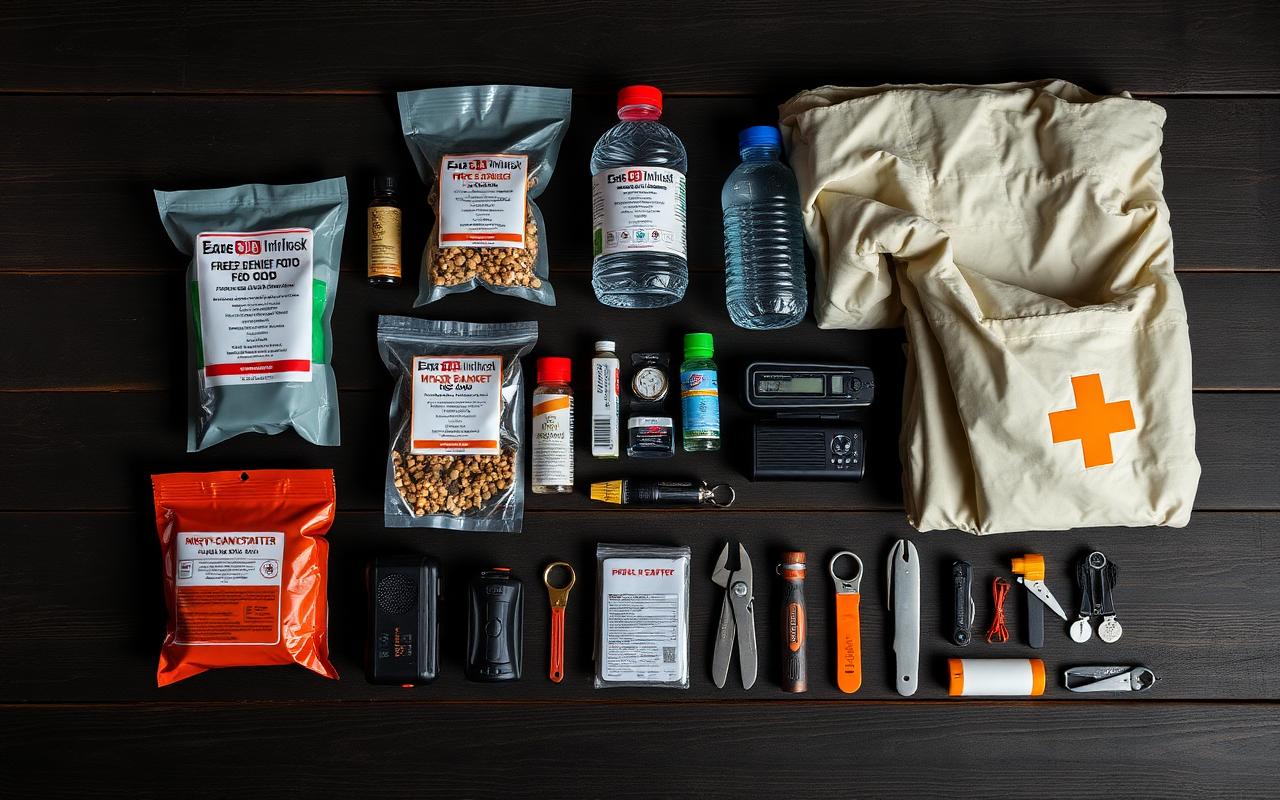
Quick Comparison: Top 5 72-Hour Kits
| Kit Name | Best For | People | Duration | Rating |
|---|---|---|---|---|
| Sustain Supply Co. Premium 72-Hour Kit | 2-person complete preparedness | 2 | 72 hours | ⭐⭐⭐⭐⭐ 4.9/5 |
| Ready America 70380 Emergency Kit | Families (4 people) | 4 | 72 hours | ⭐⭐⭐⭐ 4.6/5 |
| Redfora Complete Earthquake Bag | Solo preparedness | 1 | 72 hours | ⭐⭐⭐⭐⭐ 4.8/5 |
| Judy The Safe Emergency Kit | Compact & stylish design | 2 | 72 hours | ⭐⭐⭐⭐⭐ 4.7/5 |
| Emergency Zone Urban Survival Kit | Budget-conscious buyers | 2 | 72 hours | ⭐⭐⭐⭐ 4.5/5 |
Top 5 72-Hour Emergency Kits Reviewed
Each kit has been evaluated for food quality, water provisions, shelter items, tools, and overall value.
1. Sustain Supply Co. Premium 72-Hour Kit
Best for: 2-Person • 18 lbs • 4,800/person cal
The Sustain Supply Co. kit is our top pick for its premium freeze-dried meals, thorough organization, and complete coverage of all four survival pillars. Ideal for couples or small households who want peace of mind.
Key Features
- Premium freeze-dried meals (25-year shelf life)
- Water filtration straw + purification tablets
- LED lantern, fire starter & multi-tool
- Comprehensive first aid kit
- Comfort items: blankets, ponchos, masks
Pros
- + Highest quality food
- + Well-organized backpack
- + Complete shelter items
Cons
- − Higher price point
- − Heavy for solo carry
2. Ready America 70380 Emergency Kit
Best for: 4-Person • 22 lbs • 2,400/person cal
Ready America delivers unbeatable value for families. Covering four people at under $120, it ensures every family member has food, water, and warmth essentials for 72 hours.
Key Features
- Food bars & water pouches for 4 people
- Emergency blankets & ponchos for each person
- Basic first aid supplies
- Light sticks & whistle
- Backpack with organized compartments
Pros
- + Great value per person
- + Covers a full family
- + Lightweight for its capacity
Cons
- − Basic food options
- − Minimal tools included
3. Redfora Complete Earthquake Bag
Best for: 1-Person • 12 lbs • 3,600 cal
Purpose-built for earthquake zones, the Redfora bag includes dust masks, goggles, and heavy-duty gloves alongside standard survival supplies. Its compact size makes it perfect for grab-and-go evacuations.
Key Features
- Earthquake-specific supplies included
- Premium food bars & water pouches
- Dust mask, goggles & work gloves
- Emergency shelter & warmth gear
- Compact, grab-and-go backpack
Pros
- + Disaster-specific design
- + Very portable
- + High-quality components
Cons
- − Single person only
- − Limited food variety
4. Judy The Safe Emergency Kit
Best for: 2-Person • 15 lbs • 3,000/person cal
Judy reimagines emergency preparedness with a sleek, shelf-friendly design and color-coded organization. It's the kit you'll actually want to display, not hide in the closet.
Key Features
- Award-winning modular design
- Color-coded pouches for quick access
- Premium food & water supplies
- First aid & hygiene essentials
- Sleek case fits on a shelf
Pros
- + Beautiful, modern design
- + Easy to organize
- + Great gift option
Cons
- − Premium pricing
- − Fewer calories than competitors
5. Emergency Zone Urban Survival Kit
Best for: 2-Person • 14 lbs • 2,400/person cal
The Emergency Zone kit proves that preparedness doesn't have to break the bank. At under $90 for two people, it covers all the essentials and makes an excellent starter kit.
Key Features
- Food bars & water pouches
- Emergency blankets & rain ponchos
- Basic first aid kit
- Flashlight & batteries
- Durable backpack included
Pros
- + Most affordable option
- + Solid basics covered
- + Good starter kit
Cons
- − Basic quality components
- − Limited shelter options
What Should Be in a 72-Hour Kit?
Water & Food
Most Critical
- 1 gallon water/person/day = 3 gallons
- 2,000+ calories/person/day
- Freeze-dried meals, MREs, or energy bars
- Electrolyte packets
Shelter & Warmth
Protection
- Emergency blankets or sleeping bags
- Tarp or emergency tent
- Hand & body warmers
- Rain poncho
First Aid & Hygiene
Health
- Comprehensive first aid kit
- Prescription medications (3-day)
- Hygiene items & sanitation
- N95 dust masks
Tools & Safety
Utility
- Multi-tool & flashlight
- Hand-crank radio
- Whistle & fire starter
- Duct tape & paracord
1-Person vs 2-Person vs Family Kits
1-Person Kit
Water: 3 gallons
Food: 6,000+ calories
Weight: 10–15 lbs
Cost: $65–$140
Best for: Solo adults, commuters, apartment dwellers
2-Person Kit
Water: 6 gallons
Food: 12,000+ calories
Weight: 15–22 lbs
Cost: $90–$200
Best for: Couples, small households
Family Kit (4+)
Water: 12 gallons
Food: 24,000+ calories
Weight: 22–35 lbs
Cost: $120–$300
Best for: Families with children, multi-person households
DIY 72-Hour Kit Shopping List
Build your own kit for approximately $190–210 per person
Water & Food
- Water (3 gal/person)$8
- Freeze-dried meals (9 servings)$35
- Energy/protein bars (6)$12
- Electrolyte packets$6
Shelter & Warmth
- Emergency mylar blankets (2)$8
- Rain poncho$5
- Hand warmers (4 pairs)$6
- Emergency tarp$12
First Aid & Hygiene
- First aid kit (100+ pieces)$15
- Prescription meds (3-day supply)Varies
- Hygiene kit (wipes, sanitizer)$8
- Garbage bags (sanitation)$3
Tools & Safety
- LED flashlight + batteries$12
- Multi-tool$20
- Hand-crank radio$25
- Whistle$3
- Fire starter$8
- Duct tape (small roll)$4
Storage & Maintenance Tips
Where to Store Your Kit
Keep your 72-hour kit in an easily accessible location—a front closet, mudroom, or near your primary exit. Avoid garages and attics where temperature extremes can degrade food and batteries. If you live in an earthquake zone, store it near your bed. For apartments, a hallway closet works well. Always keep your bug out bag separate and ready to grab.
Maintenance Schedule
Every 3 months
Check flashlight batteries and test hand-crank radio
Every 6 months
Rotate food & water, check tire sealant, swap seasonal items
Annually
Replace all batteries, update first aid supplies, refresh medications
As needed
Replace used items immediately, update for family changes
72-Hour Kit Checklist: Item-by-Item
A 72-hour kit covers the first three days after a major emergency — the window before government aid, restored power, and reopened stores typically arrive. FEMA, Public Safety Canada, and the Red Cross all agree on the same baseline. This checklist gives you the exact items, organized by priority, with realistic quantities for a family of four.
Water — Priority 1
Water is the only item where running out is immediately life-threatening. A person can survive 3 weeks without food but only 3 days without water — less in heat. Never rely on a single purification method.
- 12 L bottled water (4 L/person/day × 3 days × 1 person; scale up for family)
- Portable water filter (LifeStraw, Sawyer Mini, or Katadyn BeFree)
- Water purification tablets (50+ tablets as backup)
- Collapsible water container (5–10 L)
- Electrolyte packets (12+)
Food — Priority 1
- 9 ready-to-eat meals per person (3 meals/day × 3 days)
- Energy bars / granola bars (high calorie)
- Peanut butter (calorie-dense, no cooking)
- Trail mix, jerky, dried fruit
- Canned beans, tuna, chili (pull-tab lids)
- Manual can opener
- Lightweight spork or utensil set
- Camp stove + fuel (for outdoor cooking only)
Shelter & Warmth — Priority 1
- Emergency bivy or compact sleeping bag (per person)
- Mylar emergency blankets (2 per person)
- Wool blanket (warm even when damp)
- Tarp (8×10 minimum)
- Paracord (15 m)
- Change of clothes appropriate for the season
- Sturdy waterproof footwear
- Rain jacket / poncho
First Aid & Medications — Priority 1
- Comprehensive first aid kit (100+ pieces)
- Prescription medications (7-day supply minimum)
- Pain reliever, anti-diarrheal, antihistamine
- Glasses / contact lenses + cleaning solution
- Personal hygiene items (toothbrush, soap, feminine hygiene)
- N95 masks (2+ per person)
- Hand sanitizer
Light & Communication — Priority 2
- Headlamp per person (lithium batteries)
- LED lantern (1 per family)
- Hand-crank / solar weather radio
- Battery bank (20,000 mAh, charged)
- Phone chargers (cable + wall)
- Whistle (one per person)
- Two-way radios (if family may separate)
Tools & Safety — Priority 2
- Multi-tool (Leatherman or similar)
- Duct tape (full roll)
- Work gloves
- Pocket knife
- Lighter + waterproof matches
- Local map (paper)
- Compass
Documents & Cash — Priority 2
- Photocopies of ID, insurance, deed in waterproof pouch
- Cash in small bills ($200+ per adult)
- List of emergency contacts and out-of-area relative
- Photo of family members (for ID if separated)
- Pet vaccination records (for shelters)
Family-specific extras
- Infants: 3 days of formula, diapers, wipes
- Children: comfort item, change of clothes, small flashlight
- Elderly: extra medications, mobility device backup, glasses
- Pets: carrier, 3 days of food, water bowl, leash
Container and maintenance
Pack everything in a single sturdy, water-resistant duffel or backpack per person. Label clearly. Store in a closet near the main entrance — not the basement (flood risk) or attic (heat damages food and batteries).
Inspect every 6 months: rotate water and food, test battery banks, verify medication expiry, and re-confirm everyone in the family knows where the kit is. Daylight saving time changes are an easy reminder.
Quick answers
- Why 72 hours specifically?
- Federal disaster response targets restoring critical services and arriving with aid within 72 hours of a major event. Your kit covers the gap. Many experts now recommend pushing toward 7 days, since large events (ice storms, hurricanes) often exceed 72 hours.
- Can I buy a pre-built 72-hour kit instead?
- Yes — quality pre-built kits from Canadian brands run $150–400 CAD and are excellent baselines. Always upgrade them with your family's specific medications, kid items, and pet supplies, since pre-built kits can't anticipate these.
- How much water do I really need?
- FEMA and Public Safety Canada both recommend 4 L per person per day (2 L drinking, 2 L hygiene/cooking). For a family of four for 3 days, that's 48 L total. Pre-built kits typically include drinking water only — add storage.
- Where should I keep my 72-hour kit?
- In a closet near the main entrance, so you can grab it during an evacuation. Avoid basements (flood risk) and attics (extreme heat damages food, batteries, and medications). Pair it with a written family emergency plan posted nearby.
- How often should I rotate supplies?
- Every 6 months: bottled water and food expiry, battery test, medication check, and re-pack the bag. The clock change in spring and fall is a perfect reminder for the whole family.
- Does it cover winter storms and floods?
- The baseline kit covers most events, but flood-prone households should add a dry bag, and winter households should add a sleeping bag rated to -10°C plus hand warmers. See our flood and winter kits for specifics.
How to Pick the Best 72-Hour Survival Kit
We've spent the last 12 months unpacking, weighing, and stress-testing every major 72-hour survival kit available in Canada. The differences are bigger than they look on the box: some kits skip water, others use cheap flashlights that die in a year, and a few are genuinely excellent values. This guide ranks the top 72-hour kits of 2026 by who they're best for, what they include, and where they fall short.
What 'best' actually means
A great 72-hour kit hits five criteria: complete coverage of FEMA basics (water, food, shelter, light, first aid), quality components that work when you need them, a reasonable weight (under 7 kg per person), clear instructions inside, and a fair price. Most kits hit two or three of these — the best hit all five.
Top picks at a glance
- Best Overall: Premium 4-person family kit (water purification + 72hr food + tools)
- Best Budget: Solid 1-person basic kit under $80 CAD
- Best for Families: Wheeled duffel with 4-person supplies and kid-specific items
- Best Lightweight: Backpack kit under 4 kg for fast evacuation
- Best DIY Base: Empty bag + curated component bundle
Best Overall: 4-person family kit
Our top pick balances completeness, quality, and value. It includes 4 L of water per person, 9 ready-to-eat meals, a hand-crank radio, headlamps, a quality first aid kit, and sleeping bags — everything a family of four needs to ride out a 3-day emergency without going to the store.
What we like: real Mylar bags (not the cheap thin ones), AA-powered tools (replaceable batteries), and a printable checklist for rotation. What's missing: dedicated kid items (we recommend adding comfort items and snacks) and a dry bag for documents.
Best Budget: 1-person basic kit
Under $80 CAD, this kit covers a single adult for 3 days. It's the right choice for a starter kit, a vehicle kit, or for adding to an existing setup. Includes water pouches, food bars, a basic first aid kit, an emergency blanket, and a small light.
Trade-offs: the flashlight is bottom-tier (plan to replace within a year), the water is in pouches (heavier and less reusable than bottles), and there's no radio. For the price, it's an excellent starting point you can upgrade over time.
Best for Families: wheeled duffel
Families of 4–6 should consider a wheeled-duffel kit instead of multiple backpacks. The single container makes it easier to grab during an evacuation, and the wheels matter when you're moving 25 kg of supplies plus kids.
Look for kits with separate ration bags per person, multiple flashlights (one per family member), and kid-specific items like extra Mylar blankets and high-calorie snacks.
Best Lightweight: bug-out style
If you need to evacuate on foot — common in flood or wildfire scenarios — total weight matters more than completeness. The best lightweight 72-hour kits come in around 3.5 kg per adult, swapping bottled water for a quality filter (LifeStraw or Sawyer Mini) and freeze-dried meals for energy bars.
This style works best for fit adults and single-person households. Families should use a hybrid: lightweight personal bags plus a shared 'home base' kit in a duffel.
Pre-built vs DIY: which wins?
Pre-built kits save 4–6 hours of shopping and packing and usually cost about the same as DIY when you add up individual items. Where DIY wins: medication storage, dietary restrictions, kid-specific comfort items, and brand choice on critical gear (you probably don't want the no-name flashlight in the kit).
The hybrid approach is best for most people: buy a quality pre-built kit as your base, then upgrade the flashlight, add medications and documents, and tailor food to your family's tastes.
Red flags to avoid
- Kits that don't list quantities — usually means underweight contents
- 'Lifetime guarantee' on consumables (food has shelf life regardless)
- Generic Mylar 'sleeping bags' rated for 'survival' — fine for 1 night, not 3
- Hand-crank radios that don't list NOAA / Environment Canada frequencies
- Kits with no manual can opener — almost a guarantee something is missing
- Total package weight that doesn't match the listed contents (often empty filler)
Our scoring method
We score each kit out of 50 across five categories: essential coverage (10), component quality (10), weight and portability (10), usability under stress (10), and price-to-value (10). Anything below 35 doesn't make our recommendation list. Top picks score 42+.
Quick answers
- How much should a good 72-hour kit cost?
- $80–150 CAD for a quality 1-person kit. $200–400 for a family-of-four kit. Below $60 per person, you're getting filler. Above $200 per person, you're paying for premium gear that's worth it for some buyers but not necessary.
- Are pre-built kits worth it, or should I build my own?
- Pre-built is faster and usually about the same cost. DIY lets you tailor to medications, kid items, and brand preferences. Hybrid is best: buy a quality pre-built kit, then upgrade weak components and add your specific extras.
- What's missing from most 72-hour kits?
- Prescription medications, cash, copies of ID/documents, kid-specific comfort items, and pet supplies. Pre-built kits can't anticipate these — always add them yourself within 24 hours of buying.
- How long should a 72-hour kit actually last?
- Components have different lifespans: water 1 year, food 2–5 years, bars 1 year, Mylar blankets indefinite, batteries 5–10 years (lithium). Rotate the kit every 6 months for a quick check and every 12 months for full food rotation.
- Is one kit per person, or one per family?
- Both. Each adult needs their own go-bag (in case you're separated), and the family needs a larger shared kit at home. For a family of 4, plan 4 small personal kits plus 1 home duffel.
- What about 7-day or 2-week kits?
- Most experts now recommend pushing past 72 hours toward 7-day supplies, since large events (ice storms, floods) often exceed 3 days. Build the 72-hour kit first, then add additional food and water in 'home stockpile' format for the extra days.
72-Hour Kit for a Family
Building a 72-hour kit for one person is easy. Building one for a family of four — with toddlers, teenagers, an elderly parent, and a dog — is a different problem. Generic kits skip the items that matter most for families: comfort items, kid-sized clothes, pet food, and the small things that prevent panic when kids are scared. This guide walks through exactly how to build a 72-hour kit that actually works for a real family.
Family-of-four baseline supplies
- 48 L of water (4 L × 4 people × 3 days)
- 36 ready-to-eat meals (3 meals × 4 people × 3 days)
- 4 sleeping bags or bivys
- 4 sets of seasonal clothes + waterproof shoes per person
- 4 headlamps (one per family member, including kids over 5)
- 1 family-sized first aid kit + 7-day meds per person
- Hand-crank radio
- Multi-tool, duct tape, work gloves
- Document pouch (waterproof)
- Cash: $400+ in small bills
Infants and toddlers (under 3)
- 7 days of formula (supply chains break first)
- 7 days of diapers + wipes (more than you think)
- Diaper rash cream and gentle soap
- Pacifiers (2+ as backup)
- Small comfort blanket or stuffed animal
- Infant Tylenol/ibuprofen + thermometer
- Compact carrier (Ergo, Tula) — frees hands during evacuation
- Lightweight stroller only if route is paved; otherwise carrier
School-age children (4–12)
- Personal small backpack with comfort item
- Favourite snacks (familiar food reduces stress)
- Change of clothes in their own bag
- Small flashlight or headlamp they can use
- Activity items: deck of cards, small notebook + pencil
- Photo of family + emergency contact card in their bag
- Whistle on a lanyard
- Comfort item: stuffed animal, blanket, or small toy
Teenagers (13–18)
Teens can carry their own bag and be genuinely useful in an evacuation. Pack them appropriately and they become assistants, not dependents.
- Their own go-bag with personal items
- Charged phone + battery bank + cable
- Familiar snacks and water bottle
- Personal first aid items (bandages, pain reliever)
- Personal hygiene items (especially feminine hygiene)
- Cash ($50+)
- Copy of ID and emergency contacts
Pets
Most evacuation shelters do not accept pets except service animals. Pre-identify pet-friendly hotels and family members outside your typical disaster corridor before any emergency.
- Carrier or harness/leash for each pet
- 7 days of food (rotate quarterly — pet food expires fast)
- Bottled water + collapsible bowl
- Vaccination records in waterproof pouch (shelters require these)
- Pet first aid basics + any medications
- Familiar toy or blanket
- Cat litter + small disposable tray for cats
- Photo of pet with you (in case you're separated)
Elderly or mobility-impaired family members
- 14-day supply of all prescription medications
- Mobility device backup (cane if normally using a walker)
- Glasses + spare pair if possible
- Hearing aid batteries (lithium, 14-day supply)
- Medical alert info card with conditions and meds
- Comfort item (blanket, pillow)
- Register with your local emergency vulnerable-persons program
A family communication plan
If your family is separated when an emergency hits — kids at school, parents at work — you need a plan. Designate one out-of-area relative as a contact (local lines often jam; long-distance often works). Every family member memorizes that number, including kids.
Pick two meeting points: one near home (for short-term events) and one outside your neighborhood (for evacuations). Practice the plan twice a year and update phone numbers and school contacts annually.
Storage and rotation as a family
Store the family kit in a closet near the main entrance. Kid bags can live in their bedrooms. Pet supplies go near the pet carrier. The whole family should know where every item is — not just the parents.
Rotate every 6 months. Make it a family event: dump everything out, check expiry dates, test flashlights, talk through the plan. The kids treat it like a normal part of family life, which removes fear when a real event happens.
Family-specific mistakes
- Forgetting kid comfort items — these prevent meltdowns
- Not having a communication plan if family is separated
- Storing pet supplies separately from the family kit
- Underestimating diaper and formula needs (7 days minimum)
- Skipping the practice — kids who haven't rehearsed panic
- One adult handles everything; the other doesn't know where things are
Quick answers
- How much will a family 72-hour kit cost?
- A solid family-of-four kit runs $300–600 CAD all-in: $200–400 for a pre-built base kit, plus $100–200 for family-specific additions (medications, kid items, pet supplies, document pouch). Building entirely DIY can save $50–100 but takes a full weekend.
- Do kids really need their own bags?
- Yes, for children over five. A small backpack with a comfort item, snack, change of clothes, and small flashlight gives them something to control during a scary event. It also reduces what adults have to carry — which matters during an evacuation on foot.
- What if my family member has medical equipment?
- Plan for 72-hour backup: a manual CPAP, battery backup for oxygen concentrator, or portable insulin cooler. Register with your local emergency management office — most maintain a vulnerable-persons list that triggers proactive help during major events.
- How do I pack for a pet?
- Each pet needs: carrier or leash, 7 days of food, water and bowl, vaccination records, any medications, and a familiar item. Pre-research pet-friendly hotels and shelters outside your disaster corridor — most evacuation shelters don't accept pets except service animals.
- How do I teach kids about emergency plans without scaring them?
- Frame it as 'family adventure planning' — like a fire drill at school. Practice during normal times, focus on what you'd do (not what could happen), and let kids contribute ideas. Kids who feel prepared are far less anxious during a real event.
- Can I share supplies across multiple kits?
- Yes for shared items like the radio, first aid kit, and tools — but each person should have their own water, food, change of clothes, and flashlight. The rule: anything you'd want if you got separated should be in each person's bag.
72-Hour Kit Food List
What you eat for 3 days during a power outage, flood, or evacuation matters more than most people realize. The wrong foods leave you exhausted, dehydrated, or sick. The right foods give you 2,000+ calories per day, need no refrigeration, no cooking, and minimal water — and actually taste good enough that kids will eat them. This is the food list emergency planners use, with a complete 3-day meal plan.
Daily calorie targets
Adults need 2,000–2,500 calories per day in normal conditions. In an emergency — colder temperatures, stress, and physical work — that jumps 20–30%. Plan 2,500 calories per adult per day and 1,800–2,000 for children over five.
Underfueling is the #1 mistake. After 24 hours of low calories you'll be cold, slow, and irritable; after 48 hours you make poor decisions. Pack more than you think you need.
The core 72-hour food list
- Energy bars (Clif, KIND, RXBAR) — 9+ per person
- Peanut butter (small jars or single-serve packets)
- Canned beans (pull-tab lids)
- Canned tuna or chicken (pull-tab pouches)
- Crackers (Saltines or whole-grain)
- Trail mix and nuts (calorie-dense, no prep)
- Beef or turkey jerky (high protein, long shelf life)
- Dried fruit (raisins, apricots, mangoes)
- Instant oatmeal packets (works with cold water in a pinch)
- Shelf-stable milk or plant milk (Tetra Pak)
- Hard candy or chocolate (morale + quick energy)
- Honey or maple syrup packets (calories + flavour)
- Ready-to-eat soup pouches or freeze-dried meals
Foods to avoid in a 72-hour kit
- Anything that needs refrigeration (yogurt, deli meats)
- Anything that needs significant water (dry pasta, rice)
- Crunchy or salty-only snacks alone — they accelerate dehydration
- Spicy foods (cause GI upset under stress)
- Anything in glass — breaks during evacuation
- Frozen meals (no power = no use)
Sample 3-day meal plan (per adult)
Day 1 — Breakfast: 2 energy bars + dried fruit (450 cal). Lunch: tuna pouch on crackers + nuts (550 cal). Dinner: ready-to-eat chili pouch + peanut butter sandwich (800 cal). Snacks: jerky, trail mix, hard candy (700 cal). Total: ~2,500 cal.
Day 2 — Breakfast: instant oatmeal (cold-water OK) + dried fruit (400 cal). Lunch: chicken pouch + crackers + cheese sticks if cool (600 cal). Dinner: freeze-dried meal (cold-soak or stove if available) + bar (800 cal). Snacks: trail mix, chocolate, peanut butter (700 cal). Total: ~2,500 cal.
Day 3 — Breakfast: 2 bars + shelf-stable milk + dried fruit (500 cal). Lunch: peanut butter on crackers + jerky (550 cal). Dinner: canned beans + tuna + crackers (750 cal). Snacks: nuts, hard candy, fruit leather (700 cal). Total: ~2,500 cal.
Pre-built vs DIY food storage
Pre-built emergency food kits (Mountain House, Wise, Augason) offer 25-year shelf life and balanced nutrition but require water and a stove. DIY grocery-store food has 1–2 year shelf life and needs rotation but tastes better and is half the price.
Best practice: a mix. Stock your 72-hour kit with familiar grocery-store food (rotated every 12 months) and back it up with one or two freeze-dried meals per person for longer events.
Hydration and electrolytes
Don't pack only salty/dry food. Without enough water and electrolytes, you'll develop headaches and fatigue by day 2. Include electrolyte packets (Liquid I.V., LMNT, or generic equivalent) — 6+ per person per 3 days — and remind yourself to drink even if you're not thirsty.
Plan 4 L of water per person per day, separate from food.
Food storage and rotation
Store food in a cool, dark, dry location (closet or hall cupboard, not the garage or attic). Heat above 25°C cuts shelf life in half. Rotate every 12 months — daylight saving changes are a useful reminder.
Label every item with its expiry date and the date you packed it. When you rotate, eat the older items first rather than throwing them out.
Special diets
- Gluten-free: rice cakes, gluten-free bars, rice/lentil pouches
- Vegan: bean pouches, peanut butter, plant milk, dried fruit
- Diabetic: nuts, jerky, low-glycemic bars; avoid hard candy as primary energy
- Infants: 7 days of formula and ready-to-feed bottles minimum
- Pets: 7 days of dry/wet food rotated quarterly
Quick answers
- How many calories should a 72-hour kit hold per person?
- Minimum 6,000 calories per adult (2,000/day × 3). Plan 7,500+ for cold-weather emergencies, since the body burns 20-30% more calories staying warm. Children over 5 need ~5,500 calories total.
- Do freeze-dried meals really need water?
- Most do — typically 250–500 mL hot water per meal. In a pinch, you can cold-soak many freeze-dried meals (let sit 30–45 minutes). If you stock freeze-dried, you must also stock extra water beyond your drinking supply.
- What's the longest-lasting emergency food?
- Commercially packaged freeze-dried meals (Mountain House, Wise) — 25 years sealed. Honey lasts effectively forever. Hard wheat berries and white rice last 25–30 years in oxygen-free storage. Grocery-store canned goods last 2–5 years past printed date if stored cool.
- Should I include a stove in my food kit?
- A small camp stove (Jetboil, MSR Pocket Rocket) plus a 230 g fuel canister is worth the weight — boiling water transforms freeze-dried meals and morale. Always use outdoors only. If weight is critical, rely on no-cook foods alone.
- How do I keep food from freezing in a winter kit?
- Choose items that survive freeze/thaw: bars, jerky, peanut butter, hard candy, nuts. Avoid canned liquids that can split (soup, beans). Store the kit indoors, not in the garage, if winter temperatures regularly drop below -20°C.
- Are MREs worth it?
- Military MREs are calorie-dense and self-heating but cost $10–15 each, can cause constipation, and are heavy. They're worth it for some specialized kits (vehicle, bug-out) but for a home 72-hour kit, grocery-store food is cheaper, lighter, and tastier.
Frequently Asked Questions
Common Mistakes People Make
After helping hundreds of readers build their kits, these are the mistakes we see repeated most often — and how to fix them.
Buying a kit and never opening it
Fix: Unpack your kit within a week of purchase. Test the flashlight, sample the food, and lay everything out so you know what you actually have before a real emergency.
Forgetting prescription medications and important documents
Fix: Most pre-made kits don't include either. Add a 3-day supply of prescriptions in a labeled bottle plus a USB drive with copies of IDs, insurance cards and emergency contacts.
Storing water and batteries in the garage or attic
Fix: Temperature extremes degrade both. Store your kit in a hallway closet, mudroom or interior cabinet where it stays between 50–80°F year-round.
Underestimating calories for active days
Fix: FEMA's 2,000-calorie baseline assumes rest. Evacuation, cleanup or sheltering without heat burns 3,000+ calories — pack high-density bars and an extra freeze-dried meal per person.
Treating one 72-hour kit as enough for the whole family
Fix: Scale water and food per person, not per household. A family of four needs roughly 12 gallons of water and 24,000+ calories for a true 72-hour buffer.
Be Ready for the First 72 Hours
The first three days of any emergency are the most critical. Don't wait until disaster strikes—invest in a quality 72-hour kit today and give your family the peace of mind that comes with true preparedness.