Best Car Emergency Kit 2026
A car emergency kit can save your life during a roadside breakdown, winter storm, or vehicle accident. Whether you're stranded on a highway, stuck in snow, or dealing with a flat tire, having the right emergency supplies within reach is essential. We've tested and reviewed the top car emergency kits of 2026 to help you stay safe on the road. From jumper cables and first aid supplies to winter survival gear, our expert recommendations cover every scenario you might face.
Quick Comparison: Top Car Emergency Kits
| Kit Name | Best For | People | Duration | Rating |
|---|---|---|---|---|
| AAA Severe Weather Road Kit | All-season reliability | 1-4 | Roadside use | ⭐⭐⭐⭐⭐ 4.8/5 |
| Lifeline Premium Road Safety | Budget-conscious | 1-2 | Roadside use | ⭐⭐⭐⭐ 4.6/5 |
| Vetoos Winter Emergency Kit | Winter conditions | 1-4 | Roadside use | ⭐⭐⭐⭐⭐ 4.9/5 |
Top 7 Car Emergency Kits Reviewed
Each kit has been evaluated for quality, completeness, value, and real-world performance.
1. AAA Severe Weather Road Kit
Best for: All-season roadside emergencies
Key Features
- Heavy-duty jumper cables & tire repair kit
- Comprehensive first aid supplies (67 pieces)
- Reflective warning triangles & safety vest
- Winter & summer essentials included
- Durable carrying case with organization
Pros
- + Covers all four seasons
- + AAA brand reliability
- + Excellent first aid component
Cons
- − Heavier than compact kits
- − No phone charger included
2. Lifeline Premium Road Safety Kit
Best for: Budget-conscious drivers who want basics covered
Key Features
- Basic roadside repair tools
- Compact nylon storage bag
- Jumper cables & LED flashlight
- Emergency blanket & rain poncho
- First aid basics (30 pieces)
Pros
- + Unbeatable price point
- + Compact & lightweight
- + Great starter kit
Cons
- − Limited first aid supplies
- − No winter-specific items
3. Vetoos Winter Car Emergency Kit
Best for: Cold-climate drivers & winter storm preparedness
Key Features
- Folding snow shovel & ice scraper
- Traction mats for snow & ice
- Heavy-duty thermal blankets (2)
- Hand & body warmers (10+ hours)
- Insulated waterproof storage bag
Pros
- + Purpose-built for severe winter
- + Premium thermal blankets
- + Traction mats are a lifesaver
Cons
- − Overkill for warm climates
- − Higher price point
4. First Secure Car Emergency Kit
Best for: Families & medical-focused preparedness
Key Features
- 232-piece first aid kit included
- Jumper cables & flashlight
- Emergency poncho & blanket
- Roadside safety triangles
- Compact organized carrying case
Pros
- + Most comprehensive first aid
- + Great for families with kids
- + Well-organized case
Cons
- − Limited automotive tools
- − No tire repair supplies
5. Thrive Roadside Assistance Kit
Best for: Small cars, daily commuters & minimalists
Key Features
- Ultra-compact design fits under seats
- Jumper cables & tire gauge
- LED flashlight with batteries
- Basic first aid (40 pieces)
- Reflective vest & window breaker
Pros
- + Fits in small vehicles easily
- + Lightweight & portable
- + Good essentials coverage
Cons
- − No blanket or warmth items
- − Smaller jumper cables
6. Always Prepared 125-Piece Kit
Best for: Maximum coverage for road trips & remote driving
Key Features
- 125 individual emergency items
- Portable jump starter (no cables needed)
- Comprehensive tool set & tire repair
- 72-hour food & water rations
- Solar-powered phone charger
Pros
- + Truly all-in-one solution
- + Portable jump starter included
- + Food & water included
Cons
- − Large & heavy
- − Premium price
7. Sailnovo Multipurpose Emergency Kit
Best for: Value seekers who want solid coverage for less
Key Features
- Jumper cables & tow rope
- LED flashlight & safety hammer
- First aid supplies (45 pieces)
- Reflective warning triangle
- Compact storage bag
Pros
- + Lowest price, great coverage
- + Over 2,000 positive reviews
- + Perfect second-car kit
Cons
- − Basic quality materials
- − No thermal/winter items
Car Emergency Kit Buying Guide
Essential Items Every Kit Needs
Optional Additions Worth Considering
Beyond the essentials, these additions can significantly improve your preparedness. A compact fire extinguisher rated for automotive use can prevent a small engine fire from becoming catastrophic. A portable phone charger ensures you can always call for help. Consider adding a comprehensive first aid kit if your base kit's medical supplies are limited.
For full vehicle preparedness, pair your car kit with a compact bug out bag in the trunk for evacuation scenarios. See the winter car kit section below for seasonal tips and storage advice.
Comparison Table: Top Car Emergency Kits
| Kit Name | Price | Items | Best For | Rating |
|---|---|---|---|---|
| AAA Severe Weather Road Kit | $79.99 | 60+ | All-season | ⭐ 4.8/5 |
| Lifeline Premium Road Safety | $39.99 | 35+ | Budget | ⭐ 4.6/5 |
| Vetoos Winter Emergency Kit | $129.99 | 50+ | Winter | ⭐ 4.9/5 |
| First Secure Car Kit | $64.99 | 232+ | First aid | ⭐ 4.7/5 |
| Thrive Roadside Kit | $49.99 | 40+ | Compact | ⭐ 4.5/5 |
| Always Prepared 125-Piece | $109.99 | 125 | Comprehensive | ⭐ 4.8/5 |
| Sailnovo Multipurpose Kit | $34.99 | 45+ | Value | ⭐ 4.4/5 |
☀️ Summer 2026 Vehicle Kit Essentials
Summer heat creates specific vehicle emergency risks: tire blowouts increase in extreme heat, overheating is more common, and dehydration sets in faster if you're stranded. Update your kit now with summer-specific items.
Summer Emergency Supplies for Your Car
Beyond the year-round basics, summer driving requires specific additions to your vehicle emergency kit. Heat affects both your vehicle and your survival if stranded:
☀️ Heat & Hydration
- ✓ Extra water (2 gallons minimum in summer)
- ✓ Electrolyte packets (dehydration risk)
- ✓ Cooling towels
- ✓ Sunscreen SPF 30+ (if waiting for help)
- ✓ Hat and sunglasses
- ✓ Shade tarp or emergency blanket (reflective side out)
🚗 Summer Vehicle Risks
- ✓ Tire pressure gauge (heat increases pressure)
- ✓ Fix-a-Flat or spare tire check
- ✓ Extra coolant/antifreeze
- ✓ Battery jump starter (heat drains batteries)
- ✓ Engine coolant (overheating more common)
- ✓ Extra motor oil
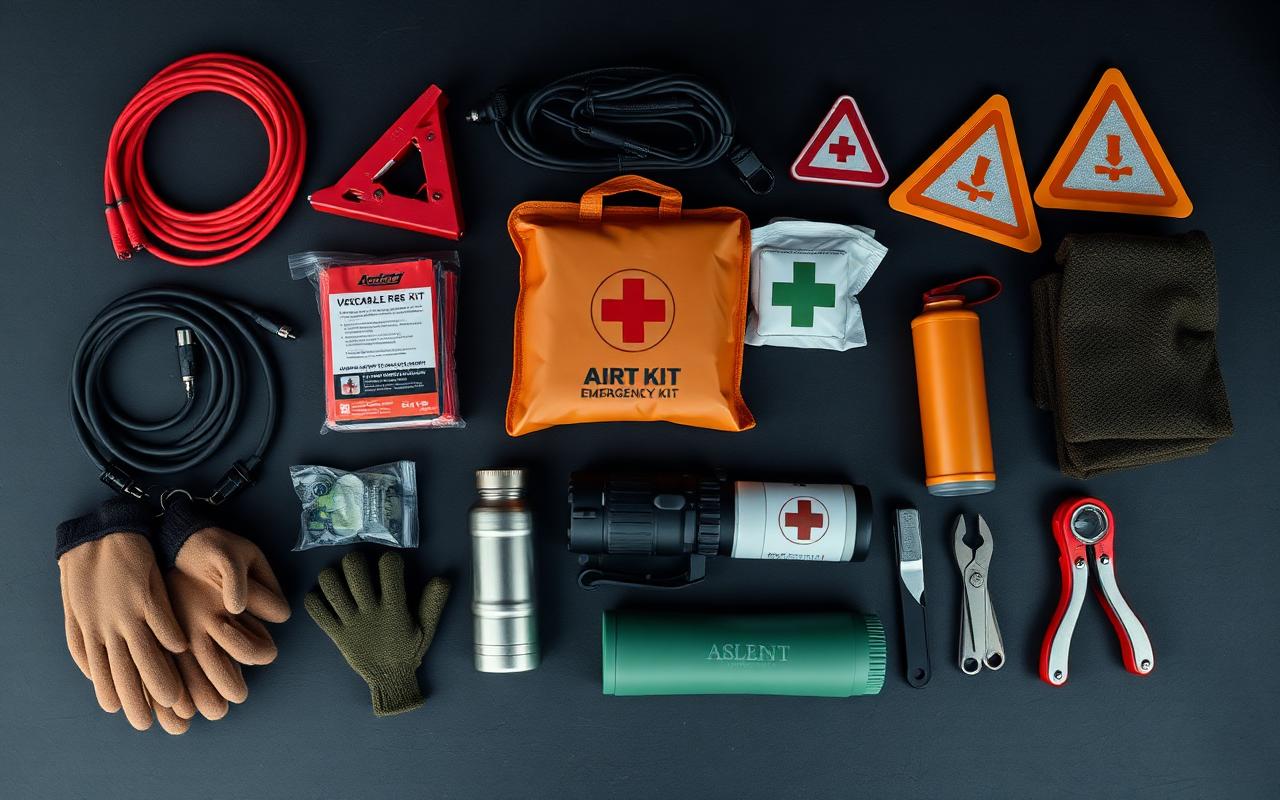
Why Every Vehicle Needs an Emergency Kit
AAA responds to over 32 million roadside assistance calls every year. From flat tires to dead batteries to being stranded in extreme weather, vehicle emergencies are among the most common situations where survival gear becomes essential.
A properly stocked car emergency kit can mean the difference between a minor inconvenience and a dangerous situation. In remote areas, help may be hours away—your kit becomes your lifeline. Pair your vehicle kit with a compact first aid kit for complete coverage.
Vehicle kits differ from other survival kits because they must address automotive-specific issues (jump starts, tire changes) while also providing basic survival supplies if you're stranded for extended periods. Consider keeping a bug out bag in your trunk for extended emergencies.
For a full evacuation kit, see our bug out bags guide.
Common Roadside Emergencies
- 7 millionCar accidents per year in the US
- 220 millionFlat tires per year on US roads
- 1 in 4Drivers will experience a breakdown this year
- 30+ minAverage wait time for roadside assistance
Essential Vehicle Emergency Supplies
Build a complete car survival kit with these essential categories.
Roadside Emergency
For breakdowns and mechanical issues
- Jumper cables / jump starter
- Tire repair kit
- Portable air compressor
- Tow strap
- Reflective triangles
- Flashlight
Safety & Visibility
Be seen and stay safe
- Reflective vest
- Road flares / LED flares
- First aid kit
- Fire extinguisher
- Safety hammer / seatbelt cutter
Survival Supplies
If stranded for extended periods
- Water (1 gallon per person)
- Non-perishable snacks
- Emergency blanket
- Rain poncho
- Phone charger / power bank
Tools & Repair
Handle minor repairs yourself
- Multi-tool
- Duct tape
- Work gloves
- Basic socket set
- Zip ties
- WD-40
Common Scenarios & Solutions
Vehicle Kit Storage Tips
Common Mistakes People Make
After helping hundreds of readers build their kits, these are the mistakes we see repeated most often — and how to fix them.
Buying a kit and forgetting it exists
Fix: Set a calendar reminder every 6 months. Open the kit, test the flashlight, check tire sealant expiration, and rotate water and snacks.
Skipping winter-specific items in cold climates
Fix: A summer-only kit can be fatal in a January storm. Add a wool blanket, hand warmers, traction sand, and a folding shovel from October through March.
Storing the kit where you can't reach it
Fix: Don't bury it under cargo. Keep the main kit in the trunk well or secured behind the rear seat; keep a mini kit (flashlight, multi-tool, first aid) in the glove box.
Relying on a phone for everything
Fix: Cell service fails in remote stretches and dead zones. Carry a paper map, a backup power bank, and a hand-crank or whistle-based signaling tool.
Letting fuel drop below half a tank
Fix: In a storm or evacuation, gas stations lose power and lines stretch for miles. Refuel at the half-tank mark, especially in winter.
Winter Car Emergency Kit
More than 1,000 Canadians are stranded in vehicles during winter storms every year. Most are uninjured — but a poorly equipped car turns a 4-hour wait into a life-threatening hypothermia situation. A proper winter car emergency kit fits in a duffel bag, costs under $150 CAD, and is the most important upgrade you can make to any vehicle that drives north of the 49th parallel between November and April.
Why a winter kit is different from a year-round car kit
A standard car emergency kit assumes you can step outside and walk to safety. Winter changes everything: -30°C wind chill, zero visibility, and snow-blocked roads make leaving the vehicle the riskiest choice. Your winter kit's job is to keep you warm, hydrated, and visible inside the car for 12–48 hours until help arrives.
The complete winter car kit checklist
- Rated sleeping bag or two wool blankets per occupant
- Tealights (4+) and waterproof matches in a metal tin (heat + signal)
- Headlamp + spare lithium batteries
- Hand/foot warmers (24-hour) — 6+ pairs
- Compact snow shovel (collapsible)
- Sand, kitty litter, or traction mats
- Booster cables OR lithium jump pack
- Tow strap (rated for your vehicle weight)
- Reflective triangle and road flares
- Hi-vis vest
- Ice scraper + snow brush (full-size)
- Toque, waterproof gloves, and a balaclava
- Calorie-dense snacks (energy bars, jerky) — 24+ hour supply
- 2 L bottled water + insulated bottle for keeping it from freezing
- Toilet paper in a zip-seal bag
- Battery bank + car charger for phone
- Whistle
- First aid kit
- Cash ($50+) for tows or fuel
- Paper map of the region
If you get stranded: stay with the vehicle
The single most important rule: do not walk for help unless you can see shelter. Most winter-storm fatalities are drivers who left a stuck vehicle. Your car is shelter, signal, and visibility all in one — visible from the air, easy to find, and able to provide heat.
Run the engine 10 minutes per hour for heat. Crack a downwind window 2 cm for ventilation. Most critically: keep the tailpipe clear of snow — a blocked exhaust pumps deadly carbon monoxide into the cabin within minutes.
Staying visible to rescuers
- Tie a brightly coloured cloth to your antenna or door handle
- Turn on dome light at night when engine is off
- Set up reflective triangle 30+ m behind the vehicle
- Use flares only in clear weather (fire risk in dry brush)
- Move limbs every 30 minutes — both for warmth and to stay alert
Fuel, tires, and pre-trip basics
Keep your tank above ½ all winter. Frozen condensation in a near-empty tank can cause hard starts and fuel-line freeze. Winter tires (not all-seasons) cut stopping distance by 25–40% below 7°C — they are mandatory in Quebec and recommended everywhere else north of the 49th.
Check tire pressure monthly; pressure drops 1 psi for every 5°C temperature drop. Carry a small 12V compressor or know the location of a gas-station air pump on your routine routes.
Common winter car-kit mistakes
- Storing the kit in the trunk where it freezes solid
- Skipping the shovel because the car has all-wheel drive
- Letting the gas tank get below half during storm season
- Using alkaline batteries — they fail below -10°C
- Forgetting water (bottles freeze and burst) — use a Nalgene or insulated bottle
- Walking for help instead of staying with the vehicle
Vehicle-specific tips
EVs: cold cuts range by 30–40%. Plan to arrive at chargers with 30%+ buffer in winter, and pre-condition the battery before driving. Carry a battery jumper for the 12V auxiliary battery — EVs can lose this in extreme cold even with a full traction battery.
Diesel: keep fuel additive on hand for gelling below -15°C. Plug in a block heater overnight when temperatures fall below -20°C.
Hybrids: same rules as gasoline cars, but battery banks for phones are even more important since the engine cycles on and off.
Quick answers
- Where should I store my winter car kit?
- Inside the cabin if possible — trunks reach the same temperature as outside, freezing water and degrading batteries. A duffel bag behind the front seat or in the cargo area of an SUV is ideal.
- How long can I run my car for heat if stranded?
- 10 minutes per hour is the standard recommendation — long enough to warm the cabin without burning excessive fuel. Always crack a downwind window 2 cm and check the tailpipe is clear of snow every cycle to prevent CO buildup.
- Are winter tires really necessary?
- Yes, below 7°C. Winter tires use rubber compounds that stay flexible in cold and tread designed for snow and ice. Stopping distance improves 25–40% over all-seasons in cold conditions — the difference between a close call and a collision.
- What food works best in a frozen car?
- Items that don't degrade with freeze/thaw cycles: energy bars, jerky, trail mix, dried fruit, and hard candy. Avoid anything with high water content (yogurt cups, fresh fruit). Rotate every 6 months.
- Do I need a jump pack or are cables enough?
- A lithium jump pack is better — it works without another vehicle present, charges phones, and includes a flashlight. Modern units cost $80–150 CAD and weigh under a kilogram. Cables work but require a Good Samaritan to stop.
- How do I keep water from freezing in the car?
- Use an insulated bottle (like a Hydro Flask) or pack water with hand-warmers in an insulated pouch. Plastic bottles will freeze and split — replace seasonally if you store water year-round.
Frequently Asked Questions
Get Your Car Emergency Kit Today
Don't wait for a breakdown to wish you were prepared. Choose a kit that fits your driving habits and climate.