Best Winter Storm Survival Kit 2026: Complete Cold Weather Guide
Winter storms cause an average of $2.1 billion in damages annually and kill more Americans than hurricanes, tornadoes, and floods combined (NOAA). A dedicated winter storm survival kit addresses the unique dangers of freezing temperatures, ice, and prolonged power loss.
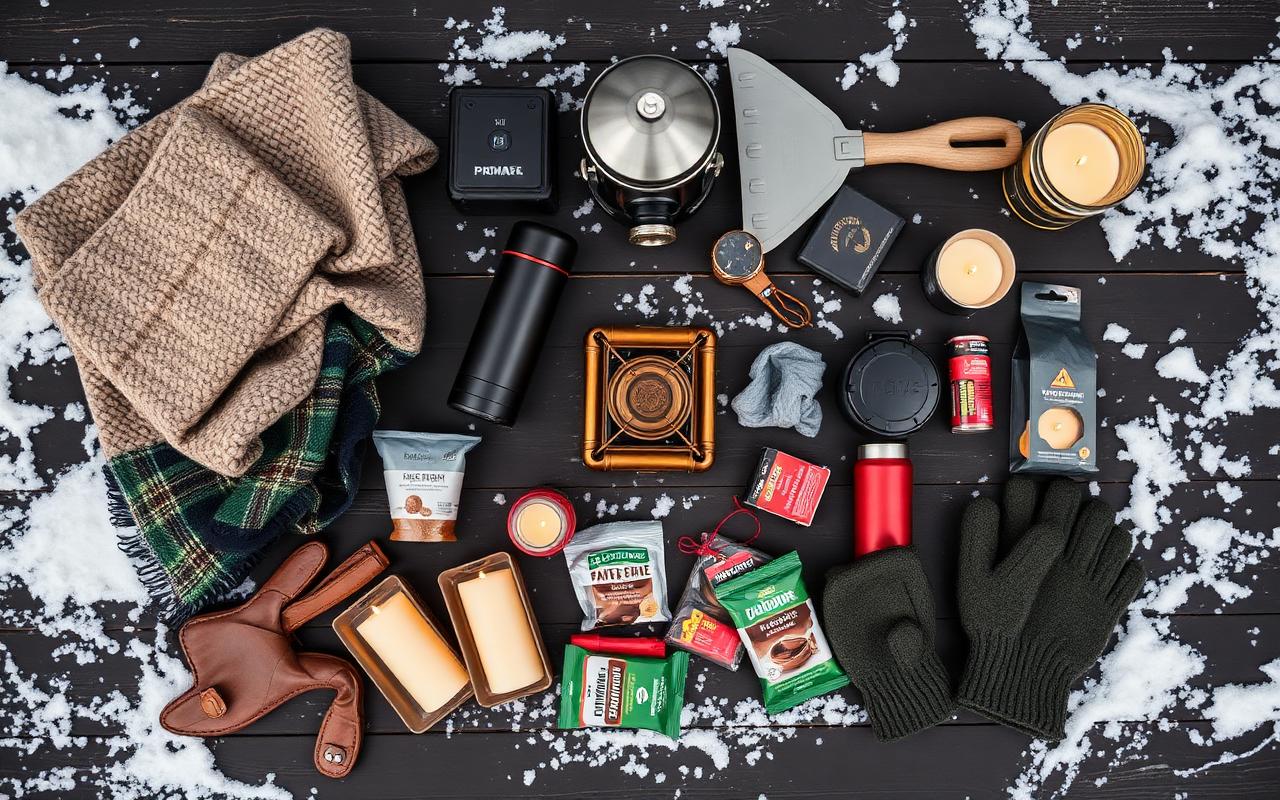
What a Winter Storm Kit Protects Against
Winter storms combine multiple compounding threats: hypothermia, frostbite, carbon monoxide poisoning from improper heating, power outages that disable furnaces, frozen pipes that destroy homes, and impassable roads that prevent evacuation or rescue. The 2021 Texas winter storm — which left 4.5 million households without power for up to 10 days and killed 246 people — proved that even regions unaccustomed to severe cold can face catastrophic winter emergencies.
A purpose-built winter kit adds heating redundancy, indoor-safe combustion gear with CO monitoring, frozen-pipe prevention tools, and high-calorie no-cook food to a standard emergency setup. Pair this guide with a home emergency kit for shelter-in-place, a vehicle emergency kit for travel, and a power outage kit for grid failures.
Who Needs a Winter Kit?
- Anyone north of the 35th parallel
- Southern states hit by polar vortex events
- Mountain and high-altitude residents
- Households with elderly family or young children
- Rural homes more than 30 min from emergency services
- Anyone dependent on electric heat
- Daily commuters and long-distance drivers
- Homeowners with exposed plumbing
Home Winter Kit Checklist (Printable)
Warmth & Shelter
- Wool/synthetic blankets (2/person)
- 0°F sleeping bags
- Hand & body warmers (24+ pairs)
- Insulated base layers, mid layers, shells
- Draft stoppers and window film
- Emergency mylar blankets
Safe Heat Sources
- Indoor-rated propane heater (Mr. Heater Buddy)
- 5+ extra 1 lb propane canisters
- Battery-powered CO detector
- Fireplace wood/pellets if applicable
- Candles + lighter (last resort)
Water & Food
- Bottled water (1 gal/person/day x 7)
- No-cook foods (PB, crackers, canned)
- Insulated thermos for hot drinks
- Camp stove + isobutane fuel
- Manual can opener
Power & Light
- LED flashlights + headlamps
- Extra AA/AAA batteries
- Portable power station (300+ Wh)
- Hand-crank NOAA radio
- Solar charger backup
Pipe & Home Protection
- Pipe insulation foam
- Heat tape for vulnerable runs
- Main water shutoff key
- Plumber's tape
- Bucket for collecting drip water
First Aid & Medical
- Comprehensive first aid kit
- 7-day prescription supply
- Thermometer
- Pulse oximeter
- Hand sanitizer + wipes
Vehicle Winter Emergency Kit
Getting stranded in a winter storm is one of the most dangerous vehicle emergencies. In addition to your standard vehicle emergency kit, add winter-specific gear: ice scraper and snow brush, 20 lbs of cat litter or sand for traction, a collapsible shovel, two extra wool blankets, insulated waterproof gloves, hand warmers, high-calorie snacks, and a 12V battery jump pack.
Keep your fuel tank at least half full from November through March. If stranded, stay with your vehicle — it provides shelter and makes you easier to find. Run the engine for 10 minutes per hour for heat, but first verify the exhaust pipe is clear of snow to prevent carbon monoxide buildup inside the cabin.
Cost Breakdown
| Category | Budget Build | Premium Build |
|---|---|---|
| Heat (propane heater + fuel) | $120 | $220 |
| Warmth (blankets, sleeping bags) | $80 | $300 |
| Power station + flashlights | $180 | $500 |
| Water & 7-day food (family of 4) | $90 | $200 |
| Vehicle winter add-on | $60 | $150 |
| Total | $530 | $1,370 |
DIY Alternative
Most households already own half the gear: extra blankets, a camp stove from summer trips, flashlights, a manual can opener. Identify what you already have, then prioritize the three biggest gaps: an indoor-safe heater with CO detector ($150 total), a 300 Wh portable power station ($250), and seven days of bottled water and no-cook food per person ($25–$45/person). Buy heating gear in late spring when prices drop 30–40% — don't wait until December.
Maintenance Checklist
Monthly
Test CO detector and smoke alarm batteries
Every 3 months
Run portable power station to full charge cycle
Every 6 months
Rotate water and shelf-stable food
September (pre-winter)
Service furnace, sweep chimney, top off propane
October
Swap vehicle kit to winter loadout
April
Inventory used items, restock for next season
Storage Tips
- Keep heating equipment in a heated interior closet — not a garage where propane regulators freeze
- Store water inside the heated envelope to prevent burst bottles
- Stage one flashlight per room before each winter season
- Keep CO detector batteries fresh — change at daylight saving time twice a year
- Pre-position blankets and warm clothes in the room you'll shelter in
- Mount snow shovel and ice scraper inside the garage, never outside
Real Winter Storm Scenarios
Texas Power Crisis (February 2021)
A polar vortex collapsed the Texas grid for 4–10 days in sub-zero temperatures. Households with portable power stations kept refrigerated insulin viable; those without lost critical medication. CO poisoning hospitalized over 1,400 people who improvised indoor heating with grills and car exhaust.
Northeast Ice Storm (December 2023)
Maine and New Hampshire saw 1+ inch ice accretion and 8-day power outages. Households with pre-cut firewood, wool blankets, and 5-day water reserves rode it out comfortably; renters in apartments without alternate heat had to relocate to warming shelters.
Buffalo Blizzard (December 2022)
Lake-effect snow trapped drivers in their vehicles for 24–36 hours. Cars stocked with wool blankets, hand warmers and high-calorie snacks all reported survivors; vehicles without winter kits accounted for the majority of fatalities.
Frequently Asked Questions
Common Mistakes People Make
After helping hundreds of readers build their kits, these are the mistakes we see repeated most often — and how to fix them.
Using a gas stove or oven for heat
Fix: Every winter, carbon monoxide kills more Americans than cold exposure. Use only certified indoor-safe propane heaters with a CO detector, or consolidate the family into one room and use body heat plus blankets.
Skipping the carbon monoxide detector
Fix: A battery-powered CO alarm costs $25 and is non-negotiable any time you run a generator, heater, or fireplace. Test it monthly.
Letting the gas tank drop below half full in winter
Fix: Frozen fuel lines and gas station outages strand drivers during storms. Refuel at the half-tank mark from November through March.
Wearing cotton against the skin
Fix: Cotton holds moisture and accelerates hypothermia. Switch to merino wool or synthetic base layers for outdoor work and emergency wear.
Storing water in an unheated garage
Fix: Frozen bottles burst and stored water becomes useless when you need it most. Keep water inside the heated envelope of your home.
Ice Storm Survival Kit
Ice storms are uniquely devastating: freezing rain coats trees, lines, and roads with up to several centimetres of ice in hours, snapping power lines and trapping families without heat for days. The 1998 Eastern Canada ice storm left nearly 1 million homes without power, some for over three weeks. A purpose-built ice storm kit focuses on the things that matter most in that scenario: warmth, light, communication, and safe alternate cooking.
Why ice storms demand a different kit
A general winter kit assumes you can drive and that power will return quickly. Ice storms break both assumptions. Roads become unusable for days, and power restoration in rural areas can take 1–3 weeks because crews have to rebuild lines from scratch.
This means your kit must support extended in-place survival without grid power, with no expectation that stores or gas stations will be open.
Core ice storm kit checklist
- Alternate heat source rated for indoor use (Mr. Heater Buddy or similar)
- Propane cylinders (1 lb tanks × 6 minimum, or a 20 lb tank with adapter)
- Carbon monoxide detector with battery backup (non-negotiable)
- Sleeping bags rated to -10°C or colder
- Wool blankets (warm even when damp)
- Headlamps and lanterns + lithium batteries (lithium works in cold)
- Hand-crank/solar weather radio
- 5+ days of no-cook food per person
- Manual can opener
- Camp stove for outdoor cooking only
- Bottled water (pipes freeze when furnaces fail)
- Ice melt and a sturdy snow/ice shovel
- Heavy-duty work gloves and ice cleats for boots
Heating safely without grid power
Indoor-rated catalytic propane heaters (Mr. Heater Buddy series, for example) are the safest choice for short outages — they have low-oxygen shutoff and are CSA/UL listed for indoor use in well-ventilated spaces. Always crack a window for ventilation and run a battery-powered CO detector in the same room.
Wood stoves and fireplaces work but require dry, seasoned wood pre-stored before the storm — green wood produces dangerous creosote buildup. Never use a barbecue, charcoal, or unvented kerosene heater indoors: each kills several Canadians every winter.
Lighting for multi-day outages
- Headlamps free both hands for cooking and child care
- LED lanterns for room lighting (one per main living space)
- Lithium AA/AAA batteries — they retain capacity at -20°C; alkalines fail
- Avoid candles where possible — house fires spike during outages
Food and water for an extended outage
Plan for 5–7 days of no-cook food. Even with a camp stove outdoors, cooking three meals a day in -15°C weather is impractical. Stock items like peanut butter, canned chili with pull-tabs, tuna pouches, energy bars, crackers, jerky, dried fruit, and shelf-stable milk.
Water is the silent risk: when the furnace fails, pipes freeze within hours in unheated areas. Store at least 4 L per person per day, plus extra for sanitation. Filling the bathtub at the first sign of a warning gives you a 200+ litre reserve for toilet flushing.
Common ice-storm mistakes
- Running a generator in the garage — CO kills within minutes
- Using a gas oven for heat — open flame depletes oxygen and produces CO
- Letting tap pipes freeze — leave one tap dripping in the coldest area
- Going outside under ice-loaded trees and lines (the #1 injury cause)
- Driving on glazed roads to 'check on family' — wait for road salt teams
- Forgetting pets — many freeze in unheated garages and outbuildings
Returning to normal: thawing safely
When power returns, restart appliances in stages — sudden full load can trip your panel or damage motors. Check pipes for splits before letting water flow fully; a slow leak in a wall cavity can cause more damage than the storm itself.
Clear ice from sidewalks and driveways before falling temperatures re-freeze it overnight. Throw out any refrigerated food that was above 4°C for more than 4 hours.
Quick answers
- How long can I expect to be without power in an ice storm?
- In urban areas, typically 1–3 days. In rural or hard-hit regions, 1–3 weeks. The 1998 Quebec/Ontario ice storm left some communities without power for over a month. Plan your supplies for at least 7 days.
- Is a generator worth it for ice storms?
- Yes for many families — a 3,500–5,000 W generator can run a furnace fan, fridge, and lights. Critical: only operate outdoors at least 6 m from any window, with a transfer switch installed by an electrician. Never run in a garage.
- What's the safest way to heat indoors without power?
- An indoor-rated catalytic propane heater (CSA/UL listed) with a battery CO detector and cracked window. Wood stoves are excellent if pre-installed. Never use barbecues, charcoal, or unvented kerosene heaters indoors.
- Should I drain my pipes before an ice storm?
- If you expect to lose heat for more than a day, yes — shut off the main valve and open all taps to drain. At minimum, leave a single tap dripping in the area furthest from the main valve to relieve pressure.
- How do I keep my phone working for days?
- Pre-charge battery banks (a 20,000 mAh bank holds 4–5 phone charges). Switch phones to low-power mode. Cell towers usually have 8–24 hours of backup power, so service may persist even if your home is dark.
- What food doesn't require any cooking?
- Peanut butter, canned beans/tuna/chili with pull-tabs, energy bars, crackers, jerky, dried fruit, shelf-stable milk, instant oatmeal (hydrate with cold water in a pinch), and trail mix. Aim for 2,000+ calories per person per day in cold weather.
Snow Storm Emergency Kit
A serious snow storm can drop 30+ cm in a day, close highways for 48 hours, and knock out power across entire regions. A snow storm emergency kit isn't just shovels and salt — it's a tested set of supplies that lets your family eat, stay warm, and stay safe through a multi-day shutdown. This guide covers the exact items emergency managers across Canada recommend, with reasoning for each.
Snow storms vs ice storms vs blizzards
Snow storms drop heavy snow but rarely cause the multi-week power loss that ice storms do. Blizzards add sustained winds above 40 km/h and near-zero visibility, which is where most snow-storm deaths happen — usually on roads.
Your kit needs to handle three risks: being trapped at home for 1–3 days, being stranded in a vehicle, and losing power for 12–48 hours.
Home snow storm kit
- 5 days of food and water per person
- Battery-powered or hand-crank radio
- Headlamps + lithium batteries
- Backup heat source (propane Buddy heater or wood stove)
- Battery-backed CO detector
- Sleeping bags rated to -10°C
- Extra blankets and wool socks
- Manual can opener
- First aid kit + 14 days of essential medications
- Snow shovel (two — one breaks)
- Roof rake for clearing eaves and preventing collapse
- Ice melt (calcium chloride works to -25°C)
Vehicle snow storm kit (separate from home)
- Wool blanket or rated sleeping bag
- Tealights + matches in a metal tin (heat a small space)
- Snow shovel (collapsible)
- Sand or kitty litter for traction
- Booster cables or lithium jump pack
- Tow strap
- Reflective triangle and flares
- High-calorie snacks and 2 L water
- Phone charger + battery bank
- Toilet paper in a zip-seal bag
- Full tank of fuel during storm season
If you're stranded in a vehicle
Most blizzard fatalities are drivers who left a stuck vehicle to walk for help. The car is your shelter — stay with it unless it's burning or you can see help within sight. Run the engine 10 minutes per hour for heat, keep the exhaust pipe clear of snow, and crack a downwind window for ventilation.
Tie a brightly coloured cloth to the antenna or door handle and turn on the dome light at night. Move limbs and core muscles every 30 minutes to keep blood flowing.
Snow load: the forgotten risk
Heavy wet snow can exceed the design load of older roofs, especially on flat-roof additions, carports, and barns. After 30+ cm of snow or 15+ cm of wet snow, use a roof rake from the ground to pull snow off the lower edges — never climb on a snow-loaded roof.
Watch for signs of overload: sticking doors, cracking sounds, sagging ceiling tiles, or new cracks in drywall. Evacuate that space and call a professional immediately.
Common snow storm mistakes
- Shovelling too aggressively — heart attacks spike after major storms
- Letting the gas tank get below half during storm season
- Storing snow blower with stale fuel — won't start when you need it
- Skipping CO detector batteries when adding alternate heat
- Not clearing the dryer vent and furnace intake — CO buildup
- Going outside in low visibility without telling someone the route
After the storm
Shovel in stages. Push, don't lift, when possible. Take frequent breaks and stop immediately if you feel chest pain, dizziness, or arm numbness. Check on elderly neighbours within 24 hours — isolation and hypothermia in unheated homes are a leading post-storm injury.
Clear fire hydrants near your home (most municipalities ask residents to dig out the closest hydrant) and the area around any natural gas meter.
Quick answers
- How much food should I stock for a snow storm?
- Minimum 3 days, ideally 5–7 days per person. Choose items that need no cooking and minimal water: canned soups with pull-tabs, peanut butter, crackers, energy bars, jerky, and dried fruit. Cold-weather caloric needs are 20% higher — plan 2,400+ calories per adult per day.
- Is a snow blower worth it?
- For driveways longer than a single car, yes — manual shovelling causes thousands of heart-attack ER visits in Canada each winter. Buy a two-stage model for areas with regular 30+ cm storms, and add fuel stabiliser at end of season so it starts next year.
- How do I prevent pipes from freezing if I lose heat?
- Open the cabinet doors under sinks on exterior walls, let one tap drip in the area furthest from the main valve, and keep interior doors open to circulate residual warm air. If outage extends beyond 12 hours in -20°C, shut the main valve and drain the system.
- What's the safest way to clear snow from my roof?
- Use a long-handled aluminum roof rake from the ground — never climb on a snow-loaded roof. Focus on the lower 1–2 metres above eaves to prevent ice dams. Hire a pro if your roof is steep or higher than two storeys.
- Should I drive during a snow storm warning?
- Only if absolutely necessary. Wait until plows have done at least one pass and visibility is above 200 m. Always tell someone your route and expected arrival time, and pack a vehicle emergency kit before you leave.
- How do I keep pets safe in a snow storm?
- Bring outdoor pets inside or into an insulated garage with heated water. Limit dog walks to 5–10 minutes in extreme cold — paws can frostbite. Wipe paws after each outing to remove road salt, which is toxic if licked.
Get Winter-Ready Now
Don't wait for the first freeze. Stock your winter storm kit today.
Shop Winter Kits